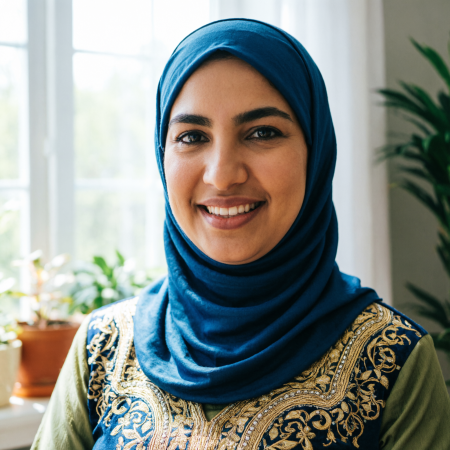
Muslim women represent one of the most diverse groups in international dating — a category that includes women from Indonesia, Malaysia, Pakistan, Turkey, Egypt, Morocco, Iran, and dozens of other countries, each with their own distinct cultural traditions layered on top of shared religious foundations. Understanding this diversity is the starting point for any genuine engagement with the subject, because the experience of dating a secular Turkish professional in Istanbul is genuinely different from dating a practising Muslim woman from rural Pakistan, even though both identify within the broad framework of Islamic faith. Treating Muslim women as a single undifferentiated category produces as many misunderstandings as treating all Asian or all Eastern European women as interchangeable.
Understanding Islam and What It Means Practically
Islam shapes the lives of its adherents in varying degrees depending on the individual, the family, the country, and the cultural tradition they come from. At the most observant end, Islamic faith prescribes specific practices around prayer, dress, diet, and gender interaction that shape daily life substantially. At the more secular end — common in countries like Turkey, Kazakhstan, Albania, and among diaspora Muslims in Western countries — Islamic identity is more cultural than strictly observant, shaping values and family practices without necessarily prescribing specific daily rituals.
For Western men, the practical implications of this spectrum are significant. A Muslim woman who observes hijab and the five daily prayers will bring different expectations to a relationship than a Muslim woman who identifies culturally as Muslim but practises more loosely. Neither is more or less authentic — they represent genuine variation within a broad religious and cultural tradition — but they require different understanding and different approaches. Asking directly and respectfully about how she practises her faith, rather than assuming based on external signals alone, is both more accurate and more respectful than applying a template.

Family, Approval, and What They Mean in Practice
Family involvement in relationships is substantially more present in most Muslim cultural contexts than in typical Western ones, and parental approval — particularly the approval of her father — carries real weight in many Muslim families regardless of how liberal the individual woman’s personal orientation might be. This is not a uniformly controlling dynamic; in many cases it reflects a genuine family culture of mutual care and involvement rather than patriarchal gatekeeping. But it does mean that a serious relationship with a Muslim woman will eventually require navigating her family’s assessment of you in ways that are more formal and more consequential than most Western men are accustomed to.
Being respectful toward her family, demonstrating genuine seriousness about long-term intentions from reasonably early, and showing authentic interest in her cultural and religious background rather than treating it as an obstacle to manage all tend to matter considerably. A Western man who demonstrates genuine respect for her faith and her family, rather than tolerating them as conditions to work around, makes a fundamentally different impression than one who does not.
The Question of Religious Conversion
In traditional Islamic practice, Muslim women are expected to marry Muslim men, and for practising Muslim families this expectation is genuine rather than merely nominal. Some Muslim women who are interested in Western men are willing to navigate this within their families’ frameworks; others are not, and the tension this creates is worth acknowledging honestly rather than hoping will resolve itself. A Western man who is willing to learn about Islam, who approaches the faith with genuine respect rather than dismissal, and who engages honestly with the family about his own beliefs and intentions tends to fare better in this specific challenge than one who avoids the topic or performs an interest he does not actually have.
Navigating Interfaith Relationships
Western men who are not Muslim and who are pursuing relationships with Muslim women will eventually encounter the question of faith compatibility in some form — whether as a practical question about religious practice in a shared household, as a family expectation around religious conversion or religious upbringing of future children, or simply as a dimension of identity that matters to her in ways that deserve genuine engagement rather than polite neutrality. Being honest about your own relationship to religion or lack thereof, and being genuinely curious about what her faith means to her specifically, tends to work better than either performing interest you do not have or treating the faith dimension as something to be managed around rather than engaged with. Many couples navigate significant religious differences successfully — what they tend to share is genuine mutual respect for each other’s relationship to religion rather than agreement on its content.
Learning basic facts about Islamic practice and culture — the significance of Ramadan, what the five pillars of Islam are, the specific cultural expressions of Islam in her country of origin — communicates genuine effort that Muslim women notice and appreciate, particularly from Western men who are more likely to arrive with superficial familiarity or none at all. This is not about performing Muslim identity; it is about demonstrating the same kind of genuine cultural curiosity that makes a difference in any international dating context.
The Bottom Line
Dating Muslim women seriously means engaging with the genuine diversity within Islam and within Muslim cultures, understanding that family involvement and religious practice are real rather than peripheral, and approaching both with authentic respect rather than managed tolerance. The women who come from this broad tradition are as varied, capable, and interesting as any other group in international dating — and the relationships that work tend to be built on genuine engagement with who she actually are rather than a template applied from the outside.